
Water Proofing
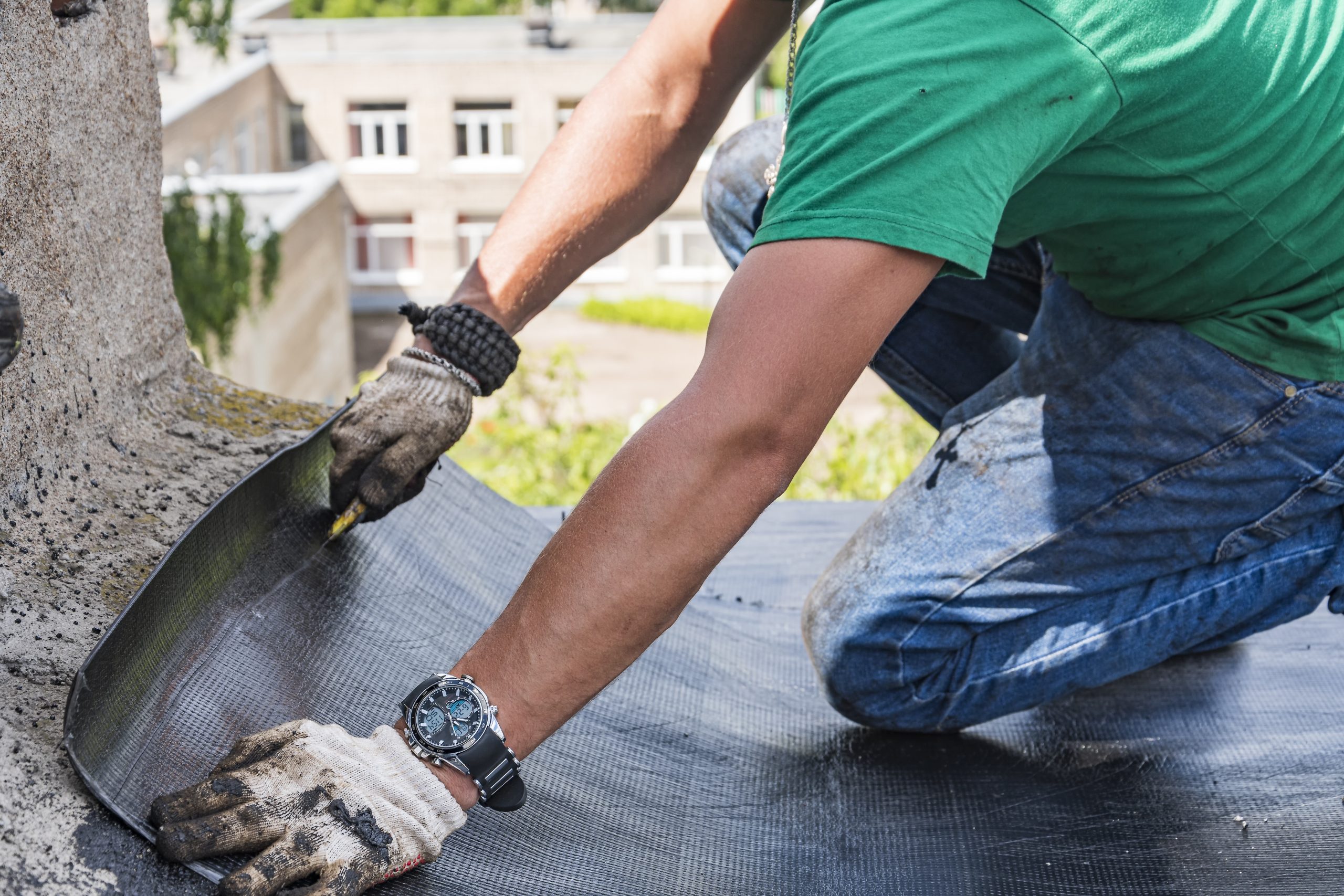
Waterproofing plays a critical role in enhancing the durability, safety, and lifespan of any building. Whether it’s a residential, commercial, or industrial structure, water intrusion can cause extensive damage—leading to cracks, dampness, corrosion, structural weakening, and the growth of harmful mold and fungus. Our advanced waterproofing solutions are designed to tackle these issues with precision and long-term effectiveness.
Why Waterproofing is Essential
Water penetration is one of the biggest threats to buildings. Without proper treatment, it can lead to:
- Structural deterioration
- Wall dampness and peeling paint
- Weakening of foundations
- Leakage in roofs, basements, and bathrooms
- High maintenance and repair costs
- Reduced property value
To prevent these issues, we offer end-to-end waterproofing systems suitable for both above-ground and underground structures.
Frequently Asked Questions (FAQ)
1. Why is waterproofing important for buildings?
Waterproofing protects the structure from water penetration, which can cause cracks, dampness, corrosion, mold growth, and long-term structural damage. It also increases the lifespan and safety of the building.
2. Which waterproofing method is best for my problem?
There is no one-size-fits-all solution. The ideal waterproofing method depends on the surface, water exposure, crack condition, and structural issue. Our experts inspect the site and suggest the most effective solution—such as membrane, cementitious, PU, crystalline, or injection grouting.
3. How long does waterproofing last?
Depending on the method and materials used, waterproofing can last 5 to 15+ years with proper maintenance. Premium systems and multi-layer treatments offer longer durability.
4. How long does the waterproofing process take?
It typically takes 1 to 3 days, depending on the area, type of problem, drying time, and weather conditions. Larger projects may take longer.
5. Can waterproofing stop existing leakage?
Yes. We use advanced techniques like PU injection grouting, epoxy filling, and membrane systems to stop active leakage and prevent future problems.